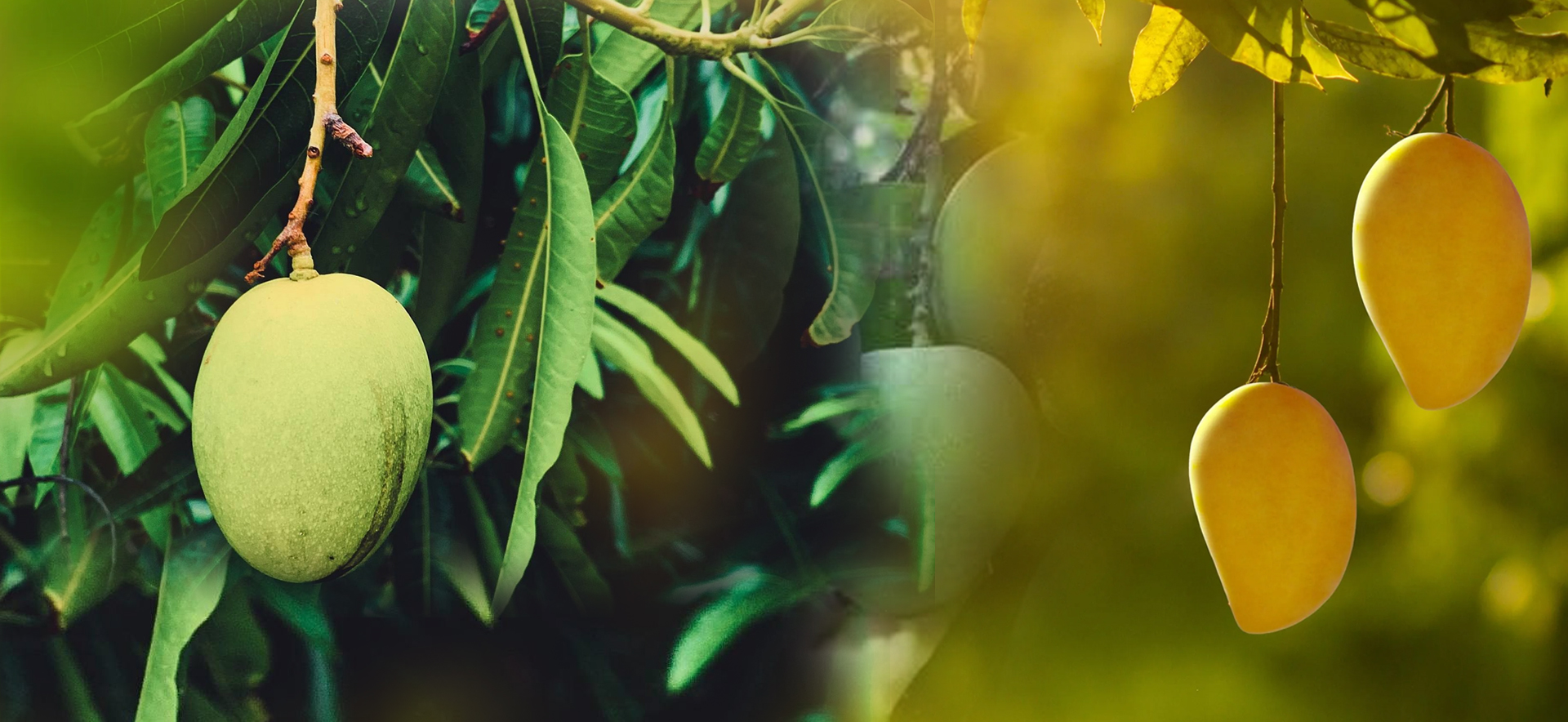
In the world of fruits, few experiences rival the joy of biting into a perfectly ripe mango, its juicy sweetness a testament to nature's bounty. Shreedhan farm's Devgad/Ratnagiri hapus mango ripening is a process that unfolds gracefully, guided by the rhythms of the sun, the tree, the sea and the fruit itself. Let's explore the enchanting journey of how mangoes ripen naturally, from tree to table by shreedhan farms.
- Step 1: Tree-Ripening
The journey begins in the orchard, where mangoes hang from the branches, basking in the warmth of the sun. As they reach maturity, mangoes undergo a natural ripening process while still attached to the tree. This tree-ripening stage allows the fruits to absorb nutrients and sugars from the tree, gradually developing their characteristic flavor and aroma.
- Step 2: Harvesting at Peak Maturity
Once the mangoes have reached peak maturity on the tree, skilled harvesters carefully pluck them from their branches. Harvesting at the right moment ensures that the mangoes have developed their full flavor potential while still retaining firmness, a crucial factor for natural ripening.
- Step 3: Storage in Controlled Conditions
After harvesting, the mangoes are transported to storage facilities where they are stored in controlled conditions. These facilities provide optimal temperature and humidity levels to mimic the natural ripening environment of the mangoes. Proper airflow is maintained to prevent moisture buildup and minimize the risk of spoilage.
- Step 4: Ethylene Production
As mangoes are harvested and stored together, they begin to produce ethylene gas, a natural plant hormone that triggers the ripening process. Ethylene acts as a signal for the fruit to start softening, sweetening, and developing its characteristic color. This self-regulating mechanism ensures that mangoes ripen uniformly and consistently.
- Step 5: Patience and Monitoring
Ripening mangoes naturally requires patience and careful monitoring. Farmers and handlers regularly check the mangoes for signs of ripeness, such as changes in color, texture, and aroma. Each mango ripens at its own pace, so close attention is paid to ensure that they are harvested at the peak of perfection.
- Step 6: Ready for Enjoyment
Once the mangoes have ripened to perfection, they are ready to be enjoyed. Their skins may take on vibrant hues of yellow, orange, or red, signaling their succulence and sweetness. With a gentle squeeze, the soft flesh yields to the touch, releasing a tantalizing aroma that promises a burst of flavor with every bite.
Natural mango ripening is a celebration of the inherent beauty and sweetness of this beloved fruit. From the tree to the table, each step of the process is guided by nature's wisdom, resulting in mangoes that delight the senses and nourish the soul. Naturally ripened mangoes offer a taste of pure tropical bliss, whether enjoyed fresh, blended into smoothies or savory dishes.